

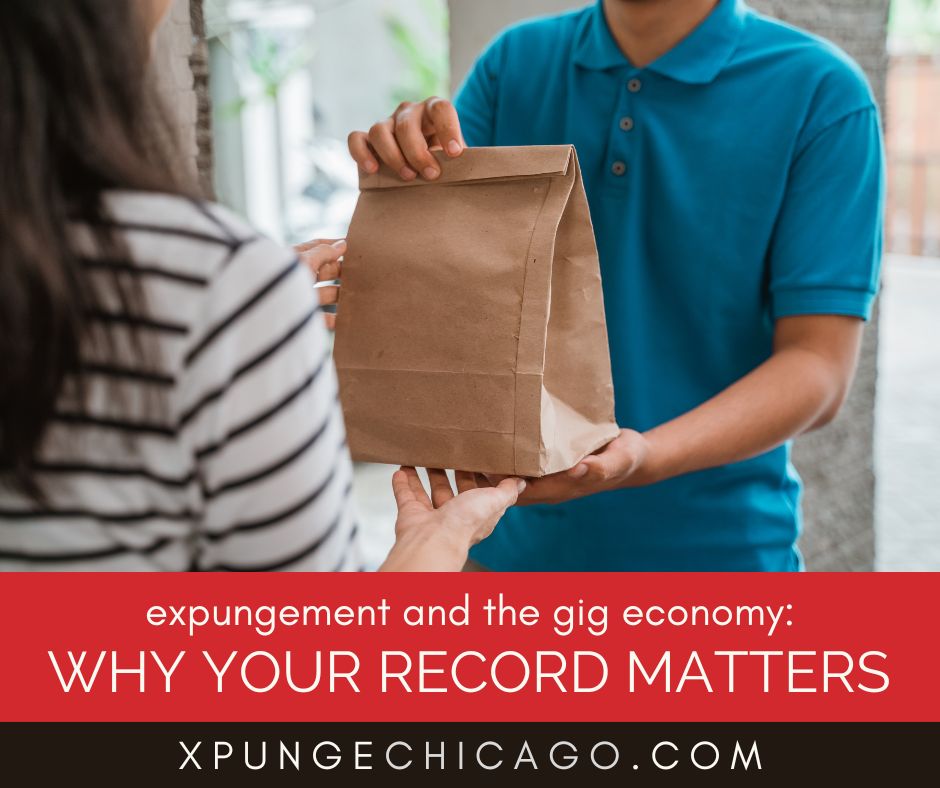
The gig economy has transformed the way people earn money. Instead of traditional nine-to-five jobs, millions now rely on platforms like Uber, Lyft, and DoorDash to provide income and flexibility. For those with past arrests or criminal records, gig work can seem like an attractive path toward financial stability and independence. But there’s a catch: all major gig companies run background checks.
This reality means expungement is not just about getting a new office job or renting an apartment. In today’s world, clearing your record can be the difference between being accepted as a rideshare driver or delivery worker and being shut out altogether. This article takes a deep dive into how expungement interacts with the gig economy, what background checks companies use, and why a clean slate matters more than ever.
The Gig Economy And Background Checks
Gig platforms like Uber, Lyft, and DoorDash are built on trust. Riders trust drivers to get them home safely. Customers trust couriers to deliver food quickly and securely. The companies, in turn, must reassure their users that they have screened workers carefully. That’s why background checks are central to the gig economy.
Typically, these checks are conducted by third-party companies such as Checkr, Sterling, or HireRight. They pull data from:
-
State and county criminal court records
-
Federal databases
-
Driving records (for rideshare applicants)
-
National sex offender registries
-
In some cases, credit or identity verification systems
These checks are repeated periodically, not just at the time of application. This means even after you’re approved, new records could affect your eligibility to keep working on the platform.
How Expungement Impacts These Checks
Expungement in Illinois legally erases eligible arrests, charges, and certain case outcomes. Once a record is expunged, it should no longer appear in official databases. This is critical because background check companies are legally obligated to use up-to-date information. If the record is erased, it should not be included in the report.
For gig workers, that means:
-
Past arrests without convictions: Once expunged, they should not prevent you from signing up.
-
Dismissed or acquitted cases: Expungement ensures they don’t appear in screenings.
-
Probation or supervision outcomes: In some cases, these can be expunged after waiting periods, removing another barrier.
In other words, expungement directly improves the chances of being approved to drive for Uber, deliver for DoorDash, or take passengers for Lyft.
Why Gig Companies Care About Records
Uber, Lyft, and DoorDash have faced lawsuits and public scrutiny over safety issues. As a result, they enforce strict standards in their screening policies. Examples include:
-
Uber disqualifies applicants with certain felony convictions, violent crimes, or recent DUI charges.
-
Lyft’s standards are similar, with additional focus on driving history.
-
DoorDash may deny applicants for violent or theft-related offenses.
While expungement does not change company policies, it can ensure that an arrest that never led to a conviction—or a case dismissed long ago—does not automatically disqualify you.
Expungement Versus Sealing
It’s important to distinguish between expungement and sealing in Illinois.
-
Expungement: The record is erased. It should not appear in background checks.
-
Sealing: The record is hidden from the public but still visible to law enforcement and some licensing boards. In practice, background check companies often do not report sealed records to employers. But because gig companies are not traditional employers, and because screening policies vary, sealed records sometimes create uncertainty.
Whenever possible, expungement provides the strongest protection for gig economy applicants.
The Risks Of Digital Footprints
One complicating factor is the internet. Even if a record is expunged, mugshot websites, old news stories, or social media posts may still reference the arrest. Background check companies should not include these in official reports, but gig companies sometimes review applicants’ online presence informally.
This means managing your digital footprint is an important part of preparing for gig work. Expungement clears the legal record, but you may still need to request takedowns or build positive online content to counter lingering references.
The Psychological Impact Of Expungement For Gig Workers
Beyond the technical aspects of background checks, expungement provides peace of mind. For many people entering the gig economy, driving for Uber or delivering for DoorDash is about more than extra money—it’s about stability, independence, and dignity. The anxiety of being rejected for past mistakes can be crushing.
Expungement restores confidence. It allows applicants to approach the process with assurance that their past will not surface unfairly. That mental clarity often translates into better focus on customer service, safe driving, and long-term financial planning.
Stories Of Transformation
Consider a hypothetical example: Alex, arrested in his early twenties for a minor drug possession charge that was dismissed. Years later, he applies to drive for Uber but is denied because the record still shows up in a background check. After filing for expungement and having the case erased, Alex reapplies—and is approved. Now he supports his family through flexible work, demonstrating how expungement directly changes lives.
Or Maria, who faced a shoplifting charge as a teenager that was later dismissed. Without expungement, DoorDash rejected her application. With expungement, the path opened. She now uses gig work as a stepping stone to fund her small business.
These stories illustrate the real-world link between legal relief and entrepreneurial independence.
Why Legal Guidance Matters
The expungement process in Illinois is not automatic. Petitions must be filed correctly, notices sent to agencies, and hearings may be required. Denials often occur when eligibility is misunderstood or paperwork is incomplete.
Lawyers provide crucial assistance by:
-
Reviewing eligibility for expungement versus sealing
-
Preparing petitions and ensuring accuracy
-
Responding to objections from prosecutors or police
-
Advising clients on how to use expungement in the gig economy application process
Expungement And Financial Freedom
For many gig workers, the ultimate goal is not just side income but financial stability. Gig work can be a stepping stone to entrepreneurship, helping individuals save money, build credit, and launch businesses. Expungement supports this by:
-
Removing barriers to entry into gig platforms
-
Reducing rejection rates for drivers and couriers
-
Allowing individuals to use gig work as a bridge to long-term goals
This connection between expungement and financial independence highlights why the process is about more than just clearing a record—it’s about creating opportunities.
Policy And The Future
As the gig economy grows, policymakers are paying more attention to fairness in screening. Some advocates argue that dismissed cases should never appear in background checks for gig work, whether expunged or not. Others push for automatic expungement systems that remove burdens on individuals.
Until reforms expand, individuals must take proactive steps. Expungement is the strongest tool Illinois residents have to clear the way for gig work opportunities.
Moving Forward With A Clean Slate
The gig economy thrives on flexibility, but it also depends on trust. For people with old arrests or dismissed cases, expungement bridges the gap—turning rejection into acceptance and anxiety into opportunity.
A clear record means a chance to drive, deliver, and earn with dignity. It means access to flexible income streams that support families and communities. And it means freedom from a past that no longer defines you.
Expungement cannot guarantee approval by every platform, but it removes the heaviest obstacles and gives you a fair shot at success. In the fast-moving world of Uber, Lyft, and DoorDash, that clean slate may be the key to unlocking financial freedom in the gig economy.
Do You Need to Talk to an Attorney About Expungement or Sealing?
If you’re tired of your criminal past coming back to bite you, we may be able to help. Call us right now at 847-920-4540 or fill out the form below so we can talk about your case.
Oops! We could not locate your form.